Heavy drinking in this population is five drug addiction treatment or more drinks in one day or 15 or more drinks in a week. Heavy drinking in this population is four or more drinks a day or eight drinks a week. This condition can last for weeks, even months, and symptoms can range from mild to severe. Or, maybe you prefer energy drinks, but only when you have a big day coming up. On the morning of one of those big days, you lose track of time and miss your chance to pick up a can on your way to the office.
What Are the Physical and Psychological Signs of Alcohol Addiction?
As time passes, you may need larger doses of the drug to get high. As your drug use increases, you may find that it’s increasingly difficult to go without the drug. Attempts to stop drug use may cause intense cravings and make you feel physically ill. While these substances are very different from each other, they all strongly activate the reward center of your brain and produce feelings of pleasure.
Physical Symptoms: Nausea, tremors, sweating, and insomnia as the body adjusts
Physically, prolonged alcohol use can lead to changes in brain chemistry, causing dependence and withdrawal symptoms when consumption stops. Psychologically, it can create cravings, habit formation, and emotional reliance on alcohol to cope with stress or other issues. Comparatively, physical dependence on alcohol mirrors that of psychological dependence on alcohol opioids or benzodiazepines, though the mechanisms differ. While opioids primarily affect the mu-opioid receptors, alcohol impacts GABA and glutamate systems, creating a unique withdrawal profile. Unlike psychological addiction, which can be managed through behavioral therapy alone, physical dependence often requires medical intervention.
- Yet, reliance on alcohol as a primary coping mechanism is fraught with danger, leading to a harmful cycle of dependency.
- They have stopped using one filler but have not built internal locus.
- To be effective, VIVITROL must be used with other alcohol or drug recovery programs such as counseling.
Lifestyle Quizzes
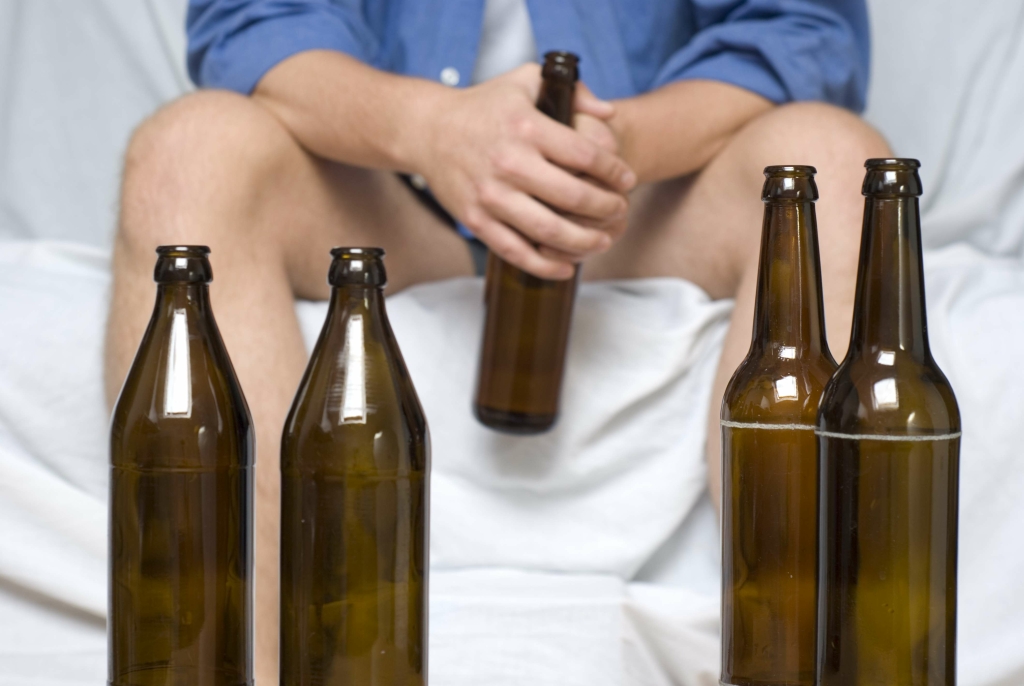
A hallmark of the disorder is that the person continues to drink despite the problems that alcohol causes. There https://www.vuedu.it/sober-living/kidney-disease-from-long-term-alcohol-use/ is no absolute number of drinks per day or quantity of alcohol that defines an alcohol use disorder, but above a certain level, the risks of drinking increase significantly. Psychological addiction involves emotional and mental cravings for alcohol, often tied to habits, stress relief, or social situations. Physical addiction, on the other hand, involves the body’s reliance on alcohol to function normally, leading to withdrawal symptoms when it is absent. Both can coexist and reinforce each other in alcohol use disorder. Practical strategies to mitigate alcohol’s impact on brain chemistry include moderation and mindful consumption.

If you feel that you sometimes drink too much alcohol, or your drinking is causing problems, or if your family is concerned about your drinking, talk with your health care provider. Other ways to get help include talking with a mental health professional or seeking help from a support group such as Alcoholics Anonymous or a similar type of self-help group. For example, if you’re receiving treatment for a condition related to alcohol use, like cirrhosis of the liver, you should ask your healthcare provider about changes in your body that may be new symptoms.